
For whom: Yahşibey village and children
With whom: Emre Senan Design Foundation, Nevzat Sayın and university students
When: 2022
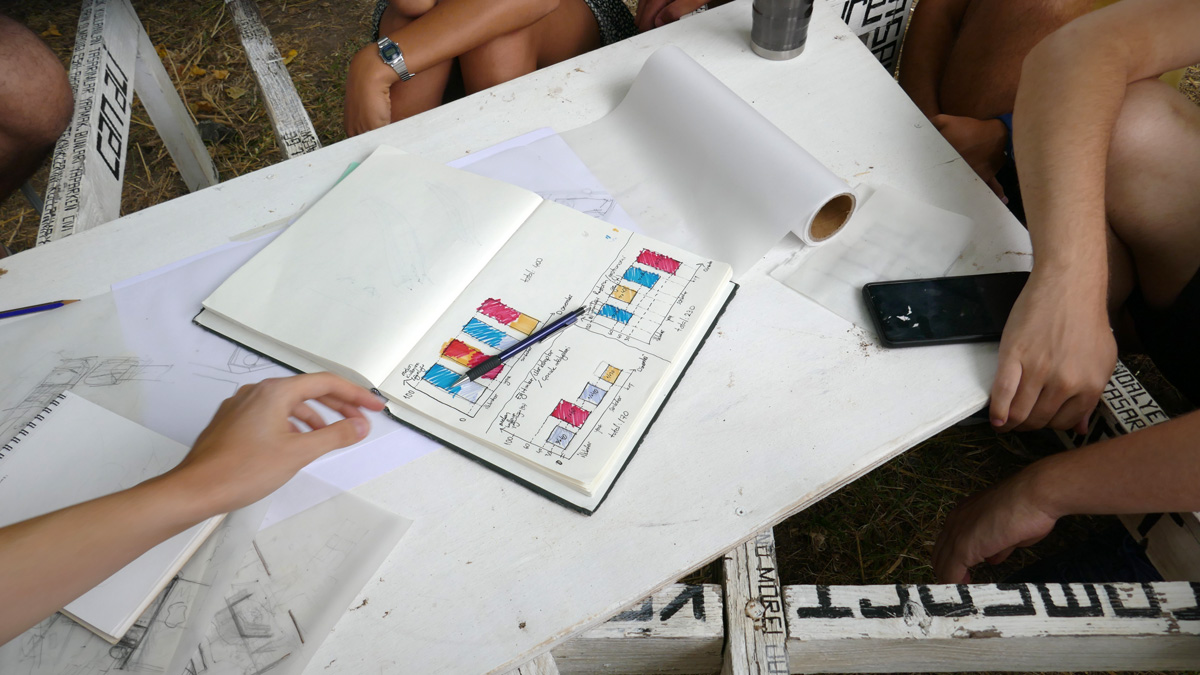
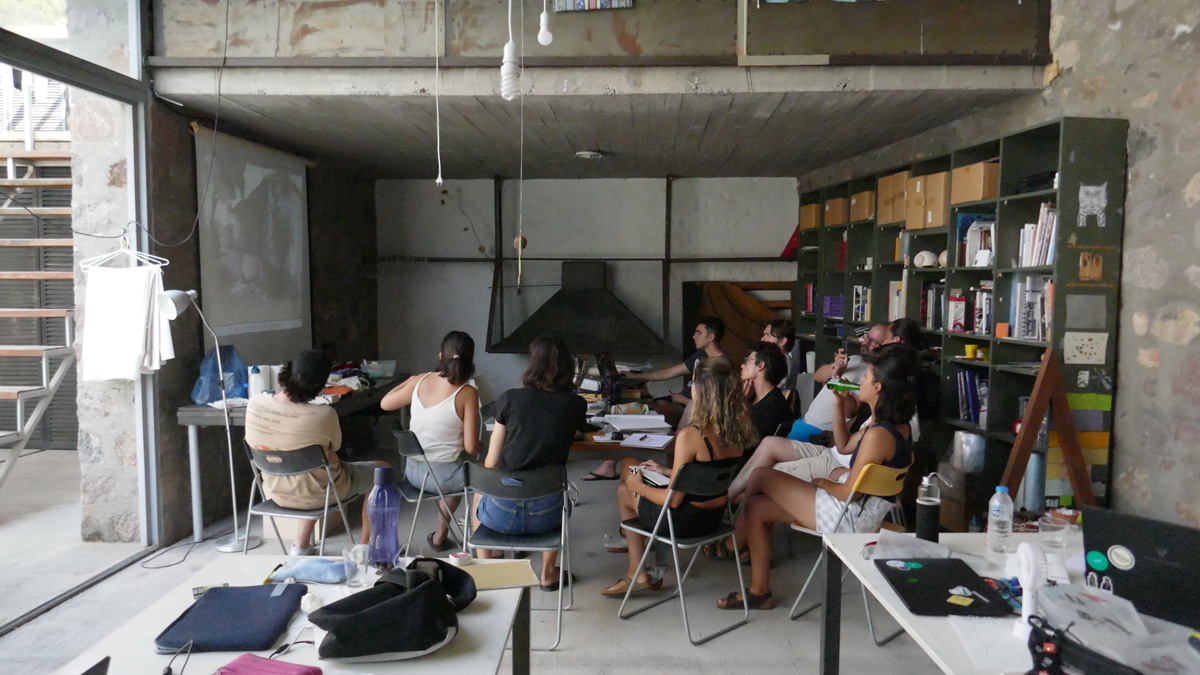
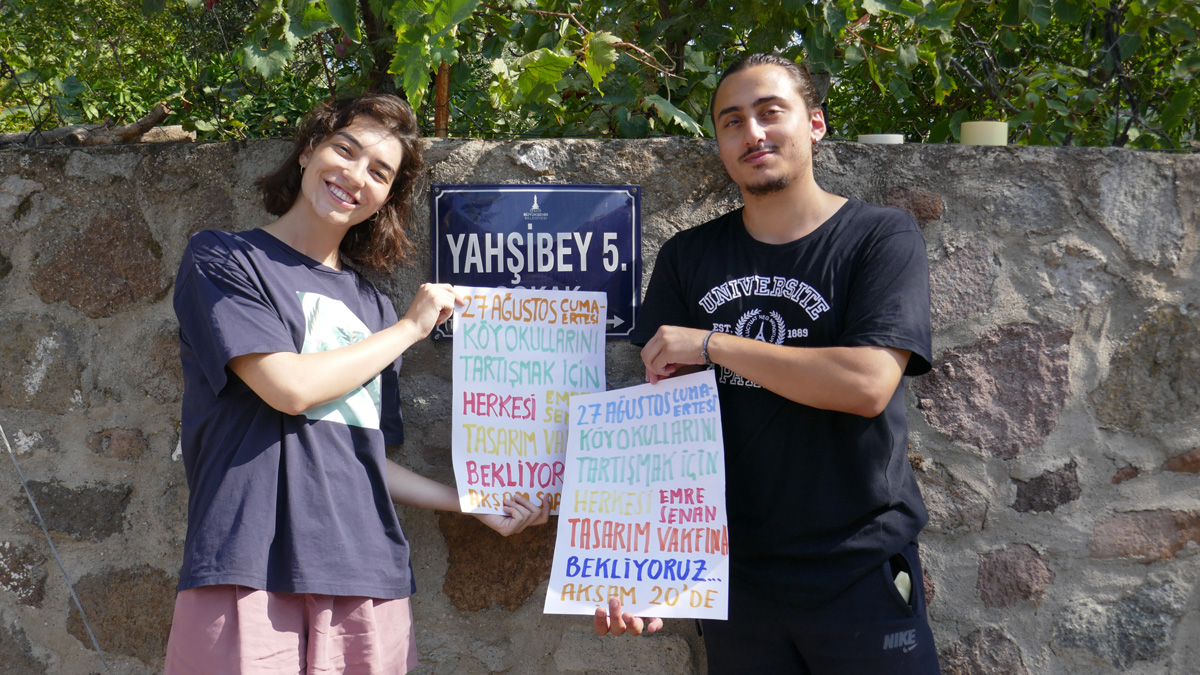
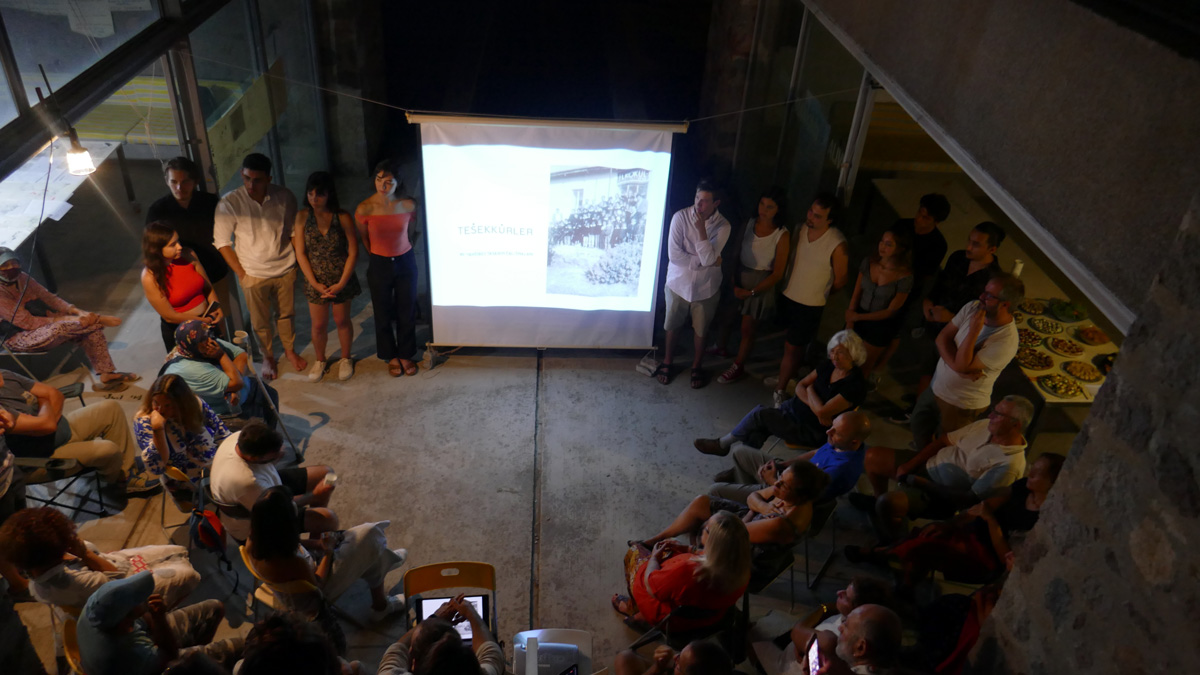
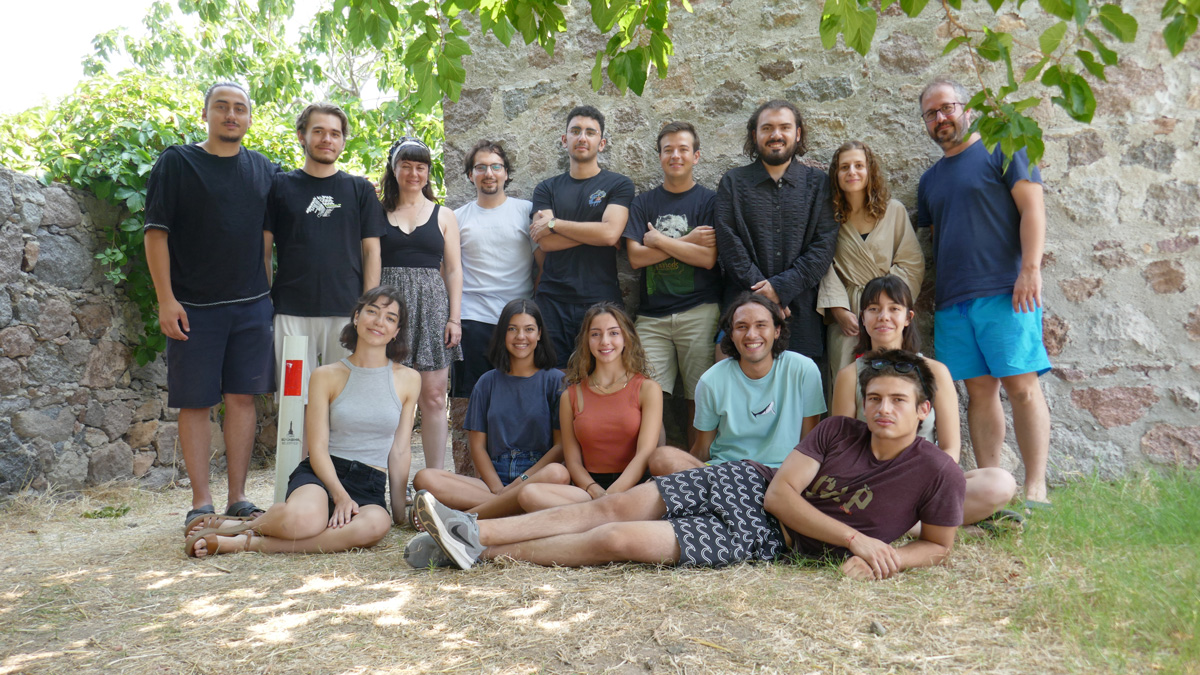
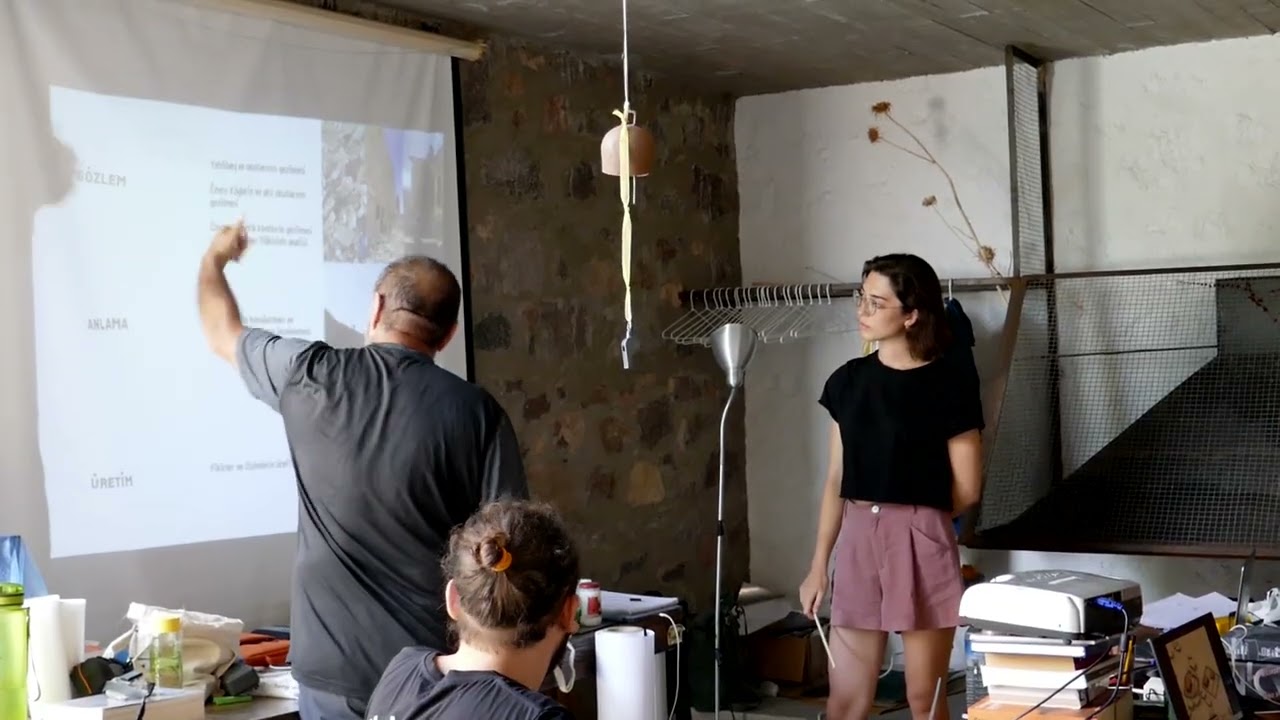
On 15-30 August 2022, together with Architect Nevzat Sayın, we conducted the 49th Yahşibey Design Workshop with the participation of 10 architecture students from different universities. In the workshop, which is hosted by Emre Senan Design Foundation (ESTV), we found the opportunity to rethink and reproduce ideas about “Abandoned Rural School” issue, which we have been working on since our establishment. In the 44th Yahşibey Design Study in 2019, we worked on the same topic, but this time, instead of producing multiple ideas, we produced a project together with the participants to bring the two school buildings in Yahşibey back to life with a ‘realisable’ proposal.
Yahşibey Design Workshops, which has been taking place in İzmir Dikili Yahşibey village, aims to “provide a provocative atmosphere of creativity for the young design students of different disciplines working enjoyably together.” Architecture workshops in Yahşibey is conducting by Nevzat Sayın with different partners each year. You can find more informations about Yahşibey Design Workshops on its website.
After 15 days of work, you can read the project report written by the participants below.
Project Report:
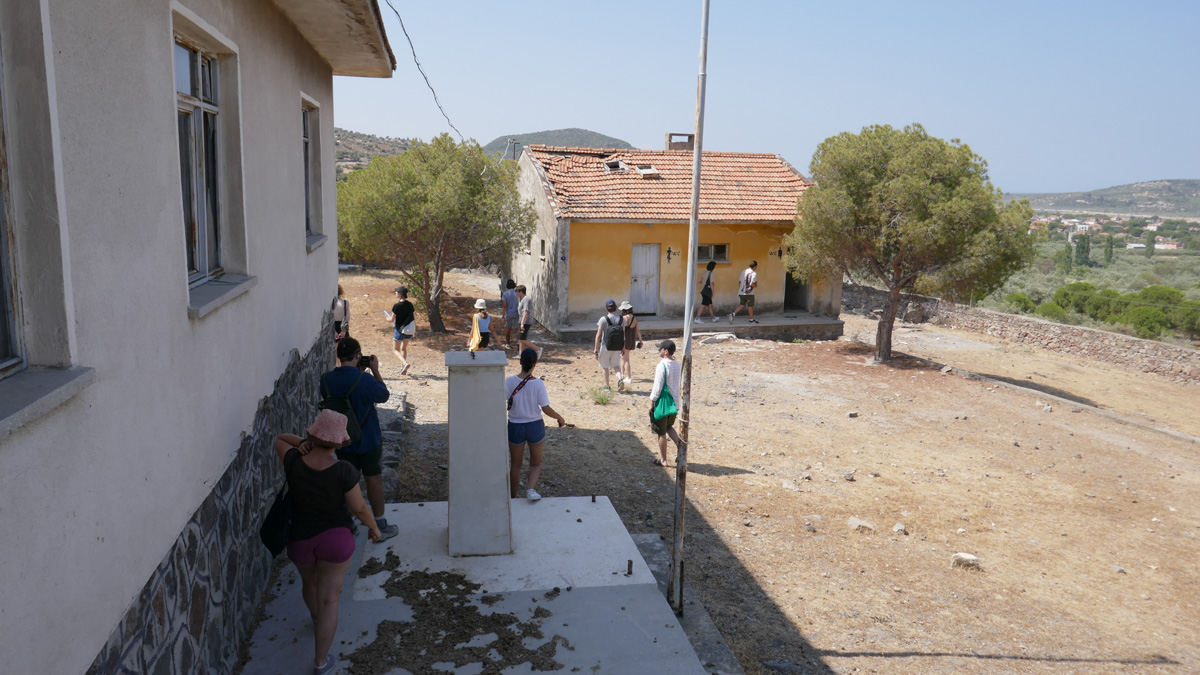
The village schools, which had been worked on in previous years and were abandoned and left idle, were also the subject of this period. But this time we aimed to develop a feasible proposal for these village schools in Yahşibey. Before starting the work, we visited the abandoned schools in the surrounding villages and saw how much-unused building stock there was even in such proximity. The proposal we would create for Yahşibey should have been an example of the other abandoned village schools in Turkey.
The first school building built in Yahşibey was put into operation in 1948 and a new school was built in 1979 just below the first one. However, since the 90s, with the lack of students in schools, the number of children in the village has decreased rapidly. Now almost no children are living in the village, except for the grandchildren who come to visit on weekends and holidays.
Our first goal in the project was to revive two schools that were built for the children of the village at the time and to bring the school gardens together with the children. Our priority was the students and the elderly population living in the village. Because with the increase in the average age and therefore the decrease in the mobility of daily life, the habits of the local people from the past were disappearing. Since the first day, the theme of our design has been for the people of the village to socialize, have fun and return to the habits of doing something together.
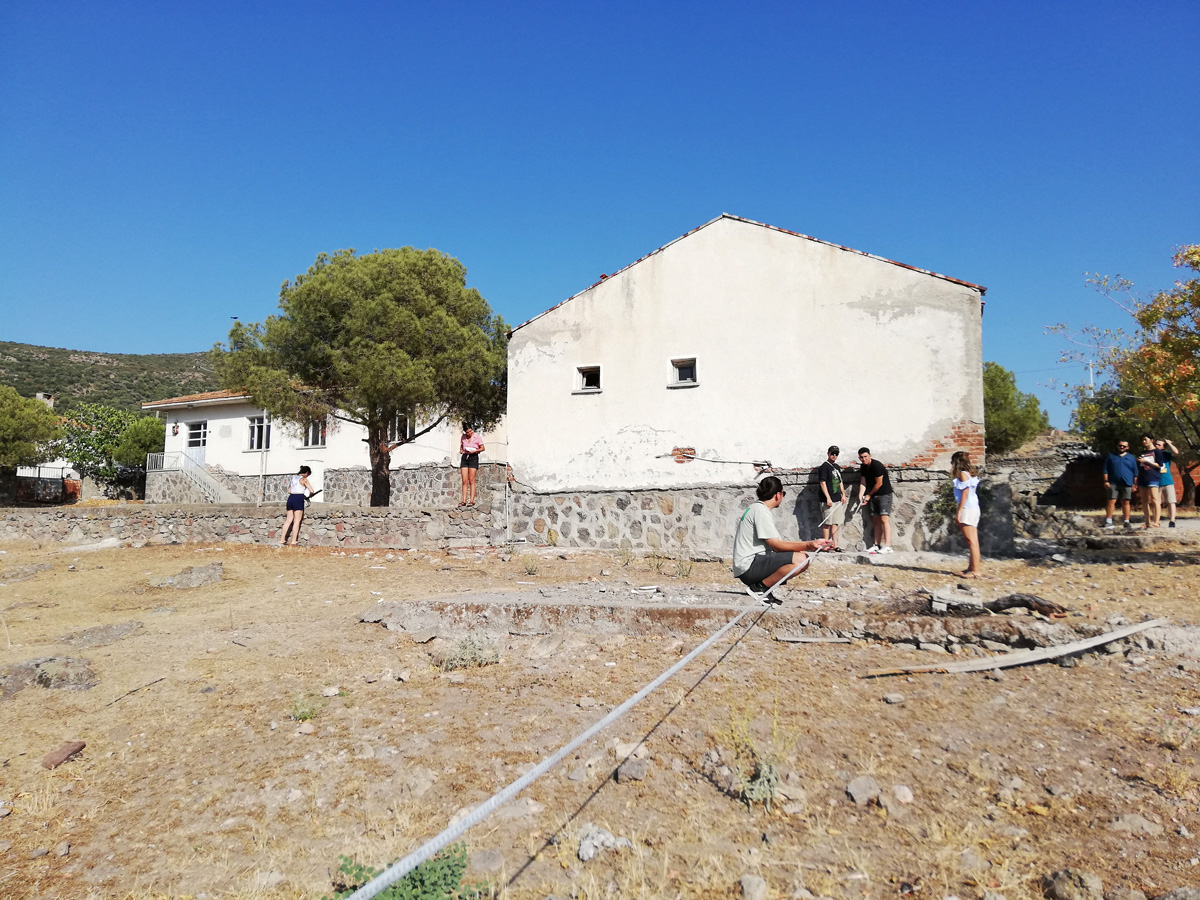
For our project to revive the abandoned buildings, called old and new schools, to be more feasible and embraceable, we decided to renovate the schools that have been in the memory of the local people with the least intervention. We decided to reinforce and use most of the existing structures, add them when they were insufficient for functions, and demolish structures such as the toilet building, which have lost their purpose today and are not in good physical condition. The stone walls of the schools, which have an important place in the village texture, were architectural elements with high potential for us. To strengthen the broken relationship between the two schools, we created gathering-socializing areas by bringing the garden walls to curvilinear form in some places and directing them into the garden. The shaded areas, which are the most important need of the summer months in the Aegean, entered our design as a top cover with the semi-open seating and workshop areas it created underneath.
The old/upper school was transformed into a ‘Yahşibey Locals’ House’ with functions that mainly served the local people due to its proximity to the houses. When approaching the village and entering the garden of the Locals’ House, the user reaches the area that we call the meadow. Tea garden; thanks to the renewed stove and fountain, the added bench, fire areas, and seating units, it turns into an open kitchen that the residents of the village can use whenever they want. The gardens created behind the Locals’ House and the old poultry house were repurposed as a warehouse serving these gardens; It is determined by lot and allocated to households for 1 year and thus the use of the space by everyone is ensured. The village hall and kitchen in the building form a gathering and socializing area that can be used in all seasons. There is a workshop for local women and a medical room for doctors’ examinations for the locals. The amphitheater, which was created thanks to the inward orientation of the stone walls of the garden; turns into a space that can be used for activities such as cinema, theater, and speech. Multi-purpose units to be placed in the spaces created on the stone walls can be used as shaded seating elements as well as turned into countertops units for sale.
Due to its proximity to the entrance of the village and the oil mill, the new/lower school turned into a “Yahşibey Gastronomy Workshop” as an accommodation unit and kitchen for culinary students. Additions to the back of the old school building provided the necessary spaces for student and executive dormitories. The indoor study area, which can extend to a semi-open workshop area with an amphitheater, creates space for children’s workshops and at the same time works as a library where recipes are stored and where the slowly disappearing food culture of Yahşibey and the Aegean is documented. The open kitchen, which was created by demolishing the toilet building, which has lost its function and is in a bad condition, and continuing the building trace, turns into a workshop where culinary students learn the dishes of the region by making the garden products of the region with volunteer chefs and local people. When there are no students, this kitchen can be used as a gathering area where the local people cook and eat together at events such as charity dinners. Children who come from the surrounding villages for the daily workshops held in the kitchen workshop or who are the descendants of the village people, they can play in areas designed as climbing, sliding, and seating units that work with the slope of the land; so that they can use these schools and gardens more.
Thanks to the different functions offered to all these places, the local people; at any time of the year, they can use these spaces with their children and grandchildren and regain their diminished habits of doing together. Gastronomy students and visitors from outside will interact with the locals through the workshops they will experience and contribute to the preservation of the disappearing food culture of the region. We believe that the transformation of the abandoned schools, which have a place in the collective memory of the villages, will make a significant contribution to the revival of the villages. We hope that this program, which we have proposed for Yahşibey through food culture, can be a model for other villages with adaptations that take into account the conditions of those villages.
—
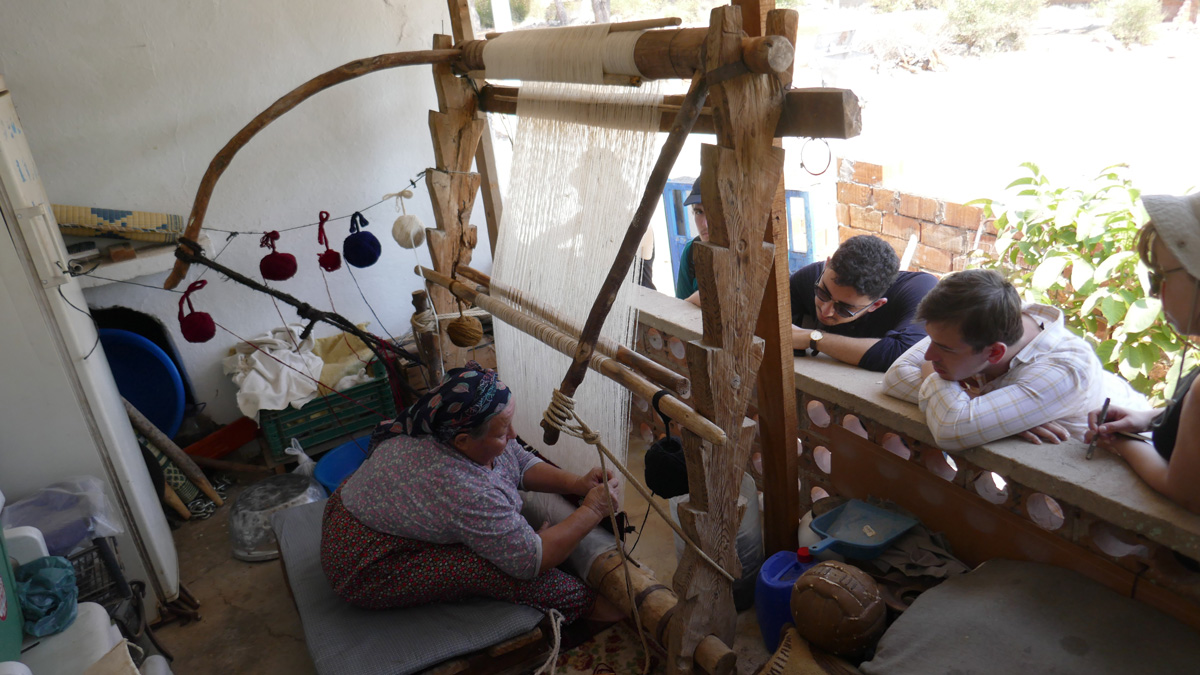
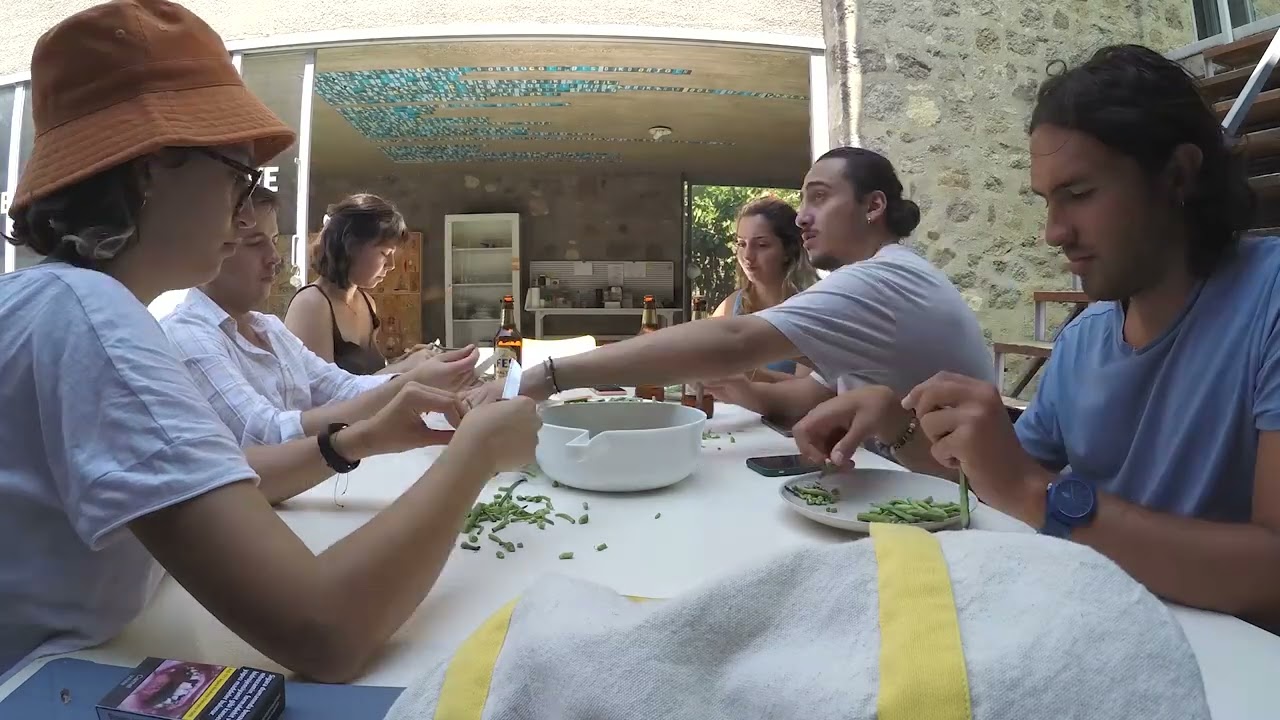
For Yahşibey Design Studies, as well as the studies, a common 15-day life organization by participants and coordinators is as important. In the 44th study, which we joined, the meals made and eaten together, the cleaning of the house and the pool, the contacts with the villagers, the entertainment in the building, the pool, the garden and the sea and the music listened created a pleasant solidarity atmosphere for these 15-days period. We would like to thank to parcitipants for creating this enjoyable time and producing ideas through intensive labor, to ESTV for including us to the process and warm hosting, to Nevzat Sayın for working together fruitfully, to Bütün Çocuklar Bizim Association for their contribution to the process with their ideas and to people of Yahşibey for sharing their food and conversations.
You can find the booklet containing the process of the workshop and the project in the workshop in this link.
Here you can read the workshop journal.
Here you can find the photo album of the workshop.
Here you can listen to the common music list of the workshop.
Workshop participants:
Andaç Güney, Ateş Cem Sayın, Burak Aydın, Ece Geren, Elif Feyza Ünlüsoy, Emre Özen, Hevjin Andiç, Kevser Aksoy, Kutay Koçtekin, Selman Faruk Agavur
Workshop coordinators:
Altıner Yıldırım, Elif Tan, Emre Gündoğdu, İdil Bayar, Merve Gül Özokcu, Nevzat Sayın, Selçuk Sarp Özgen, Setenay Kamazoğlu